How to Clean White Sneakers: A Safe Step-by-Step Guide
To clean white sneakers, knock off loose dirt and pull out the laces, then hand-wash the uppers with a soft-bristle brush and a mild detergent or a baking-soda-and-water paste, working one material at a time (leather, canvas, mesh, or suede). Wipe the suds away with a damp microfiber cloth, scrub the rubber midsoles and outsoles with a magic eraser, then air-dry the shoes at room temperature stuffed with white paper. Skip the washing machine, hot water, and chlorine bleach, which loosen the glue and trigger the yellowing you are trying to remove.
White sneakers — whether Nike Air Force 1s, Adidas Stan Smiths, or Converse Chuck Taylors — look incredible for about a week, then start collecting scuffs, grass stains, and grey grime. The good news: most of that damage is surface-level and reversible with tools you already own. This guide covers a safe, material-by-material routine, the fastest way to whiten yellowed soles, and the mistakes that permanently ruin white shoes.
What You Need Before You Start
You do not need an expensive sneaker-cleaning kit. A short list of gentle household items handles almost every white shoe, from canvas Vans to premium leather Jordans. Gather everything first so you are not hunting for a cloth mid-wash.
- Soft-bristle brush — an old toothbrush or a dedicated shoe brush for tight seams and stitching.
- Mild detergent or dish soap — a pH-neutral, dye-free option is safest.
- Baking soda — mixed into a paste for stains and light oxidation.
- Magic eraser (melamine sponge) — unbeatable on rubber midsoles and outsoles.
- Microfiber cloth — two if you have them, one damp and one dry.
- Lukewarm water in a small bowl — never hot.
- White paper towel for stuffing and drying (newspaper ink can transfer).
Optional extras include a suede eraser and brush for suede panels, white non-gel toothpaste for spot stains, and a sneaker-protector spray for after the shoes dry. You can browse care tools in our shop or read more guides in the sneakers category.
Step-by-Step: The Core Cleaning Routine
This sequence works for the majority of white sneakers. Always test any cleaner on a hidden spot first, and clean the whole panel rather than a single mark so you do not leave a clean patch surrounded by grime.
- Dry-brush first. Bang the soles together outside and brush off dried mud and dust. Cleaning wet dirt just spreads it into a stain.
- Remove the laces. Take them out completely so you can reach the tongue and eyelets, and soak them separately (see below).
- Mix your solution. A few drops of mild detergent in a bowl of lukewarm water. For tougher marks, make a thick baking-soda paste instead.
- Work material by material. Dip the brush, tap off excess water, and clean in small circles. Rinse the brush often — you want to lift dirt out, not push it around.
- Wipe as you go. Use the damp microfiber cloth to remove loosened dirt and suds before they dry back into the surface.
- Clean the midsole and outsole last. A lightly dampened magic eraser removes scuffs from white rubber almost instantly.
- Final wipe and dry. Go over everything with a clean damp cloth to remove soap residue, then air-dry.
How to Clean White Sneakers by Material
The single biggest mistake is treating every white shoe the same. Leather, canvas, mesh, knit, and suede each respond differently, and the wrong technique can stain or warp the upper permanently.
Leather and Synthetic Leather
Smooth leather (think Air Force 1 or Stan Smith) is the most forgiving surface. Wipe with a damp cloth and mild soap, avoid soaking it, and never leave standing water on the seams. Dry immediately and follow up with a leather conditioner every few weeks to stop cracking.
Canvas
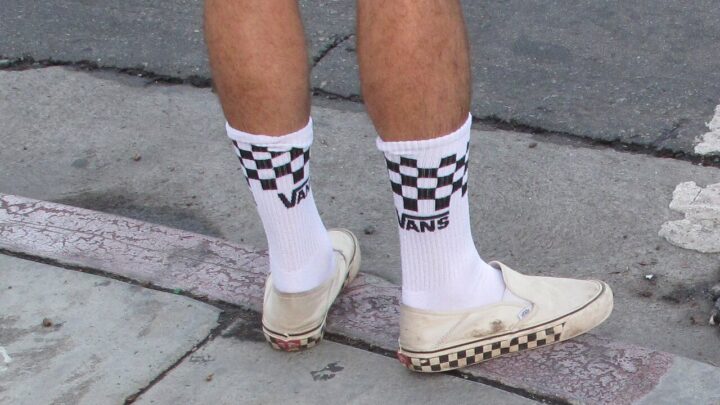
Canvas absorbs water and detergent readily, so a baking-soda paste and a soft brush work well. Rinse thoroughly, because leftover soap dries to a yellow ring. Canvas Converse and Vans tolerate more scrubbing than leather but should still air-dry, never machine-dry.
Mesh and Knit
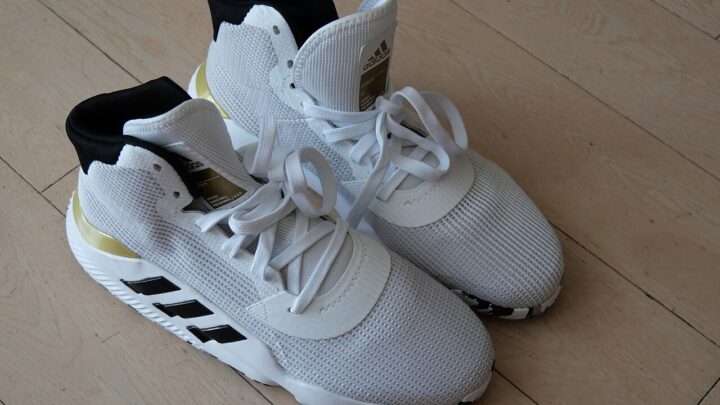
Engineered mesh and Primeknit-style uppers are delicate. Use minimal water, a soft brush, and gentle strokes so you do not fray or stretch the weave. Blot rather than rub, and keep the shoe stuffed while drying to hold its shape.
Suede and Nubuck
Suede should never get wet with soapy water. Let mud dry completely, then use a suede eraser and a soft suede brush to lift dirt, brushing in one direction to restore the nap. A dedicated suede shampoo is worth it if you own several pairs.
| Material | Best Cleaner | Avoid |
|---|---|---|
| Leather | Mild soap + damp cloth, then conditioner | Soaking, harsh brushing |
| Canvas | Baking-soda paste + soft brush | Leftover soap residue |
| Mesh / Knit | Light detergent, gentle brush | Heavy scrubbing, wringing |
| Suede / Nubuck | Suede eraser + suede brush (dry) | Water and soap |
| Rubber sole | Magic eraser or baking soda | Colored cleaners |
Removing Yellow Stains and Oxidation
Yellowing is different from dirt. It is usually oxidation — a reaction between the rubber, oils, and air, often worsened by bleach residue — that scrubbing cannot remove. For light yellowing, a baking-soda-and-white-vinegar paste left in indirect sunlight can help. For stubborn oxidation, apply a dedicated sole-whitener, wrap the shoe in cling film, and leave it in daylight so UV reverses the reaction. The real fix is prevention: never use bleach, and never dry white shoes in prolonged sun or near a radiator.
Cleaning the Laces and Insoles
Dingy laces make a clean shoe look old. Soak white laces in warm water with a little detergent or baking soda for 20–30 minutes, rub them together, rinse, and air-dry; replacement laces are cheap if they are past saving. Remove insoles and scrub them gently by hand, then sprinkle dry baking soda inside the shoe overnight to absorb odor and tap it out in the morning.
Drying and Protecting Your White Sneakers
How you dry matters as much as how you clean. Stuff the shoes with white paper towel to absorb moisture and hold their shape, then air-dry at room temperature away from direct heat and sunlight. Direct heat warps midsoles and yellows white uppers, while sunlight accelerates oxidation. Once fully dry, apply a stain-and-water repellent spray so future spills bead up instead of soaking in.
Do’s and Don’ts
| Do | Don’t |
|---|---|
| Test cleaner on a hidden area first | Put leather or foam-soled shoes in the washing machine |
| Use lukewarm water and mild soap | Use chlorine bleach (it yellows white) |
| Air-dry at room temperature | Dry with a hairdryer, radiator, or in the sun |
| Clean whole panels, not single spots | Scrub suede with soap and water |
| Protect with a repellent spray after | Let mud sit and dry into the fabric for weeks |
Frequently Asked Questions
Can I put white sneakers in the washing machine?
It is not recommended, especially for leather or shoes with foam or EVA midsoles. The agitation and heat loosen adhesives, warp the sole, and can yellow the upper. If you must, use a mesh bag, cold water, a gentle cycle, and always air-dry. Hand-washing is safer and nearly as fast.
Does white toothpaste really clean sneakers?
Plain white, non-gel toothpaste can spot-clean rubber soles and small marks because it contains mild abrasives. Avoid colored or whitening gels, which can stain, and never use it on suede. Test it on a hidden area, and rinse it off completely once the mark lifts.
How do I whiten yellowed soles?
Yellowing is oxidation, not dirt. Apply a baking-soda paste or a dedicated sole-whitener, wrap the sole in cling film, and leave it in indirect daylight so UV reverses the reaction. Prevent future yellowing by never using bleach and never drying shoes in direct heat or sun.
How often should I clean my white shoes?
Give them a 30-second wipe after every wear and a deeper clean every two to three weeks with regular use. Frequent light cleaning is far easier than removing months of set-in grime, and it keeps the material in better condition long term.
Will bleach make my white sneakers whiter?
No — it does the opposite over time. Bleach breaks down fibers and reacts with the material to cause the yellow tint people mistake for age. Stick to baking soda, mild detergent, and a magic eraser for safe, lasting results.

Similar Posts