Sneaker Sizing Guide: US, UK, EU and CM Conversion Chart
Most sneakers fit true to size, but sizing varies by brand and model — the reliable method is to measure your foot length in centimeters, compare it to the brand’s size chart, and adjust for width and how each silhouette runs. As a quick reference, Nike and Air Jordan often run about a half size small, adidas and New Balance tend to fit true to size, and Converse Chuck Taylors run large by roughly a half size. When in doubt, measure your foot in the evening, use the longer foot, and size to the centimeter length rather than the number on your old shoes.
Sneaker sizing confuses even experienced buyers because US, UK, and EU systems don’t line up cleanly, and every brand tweaks its own last. This sneaker sizing guide gives you a repeatable process: measure accurately, convert correctly, factor in width, and apply brand-specific fit notes so your next pair fits right the first time.
How to Measure Your Foot Correctly
Accurate measurement beats guessing every time. The gold standard is a Brannock device (the metal tool in shoe stores), which reads heel-to-toe length, arch length, and width. If you don’t have one, you can measure at home in minutes.
- Stand on a sheet of paper with your heel against a wall, wearing the socks you’ll use with the sneakers.
- Mark the tip of your longest toe and the back of your heel, then measure the distance in centimeters.
- Measure the widest part of your foot for width.
- Repeat for both feet — they are rarely identical — and always size to the larger foot.
- Measure at the end of the day, when feet are at their largest.
Understanding Sizing Systems: US, UK, EU, CM
Four systems dominate sneaker labels, and they measure differently:
- US: The most common on sneakers; note that US men’s and women’s numbers differ by about 1.5 sizes (a women’s 9 is roughly a men’s 7.5).
- UK: Usually about a half size lower than the US men’s number.
- EU: Based on the French Paris-point system and increments differently, which is why EU sizes don’t always map to a clean half size.
- CM (Japan/Mondopoint): The most useful of all because it’s the actual foot length in centimeters — match this to your measurement and you can convert into any brand.
Sneaker Size Conversion Table (Men’s)
Use CM as your anchor. Find your measured length, then read across. This chart follows the widely used Nike men’s conversions; always confirm against the specific brand’s chart.
| US Men’s | UK | EU | Foot Length (CM) |
|---|---|---|---|
| 7 | 6 | 40 | 25.0 |
| 7.5 | 6.5 | 40.5 | 25.5 |
| 8 | 7 | 41 | 26.0 |
| 8.5 | 7.5 | 42 | 26.5 |
| 9 | 8 | 42.5 | 27.0 |
| 9.5 | 8.5 | 43 | 27.5 |
| 10 | 9 | 44 | 28.0 |
| 10.5 | 9.5 | 44.5 | 28.5 |
| 11 | 10 | 45 | 29.0 |
| 11.5 | 10.5 | 45.5 | 29.5 |
| 12 | 11 | 46 | 30.0 |
| 13 | 12 | 47.5 | 31.0 |
Width Explained: B, D, 2E and Beyond
Length is only half the story. Width is graded by letter, and the wrong width causes pinching or sloppy heel slip even when the length is right.
- B: Narrow for men, standard for women.
- D: Standard (medium) men’s width — the default for most sneakers.
- 2E (Wide): A wider fit for broader feet or high insteps.
- 4E (Extra Wide): The widest common option.
New Balance is the standout here, offering many models in B, D, 2E, and 4E, which is why it’s a favorite for wide or narrow feet. Most Nike, adidas, and Jordan sneakers come in standard D only, so wide-footed buyers often size up a half size for extra room.
True to Size vs Runs Small or Large
“True to size” means the shoe matches the length its label claims. Many sneakers deviate slightly because of the last (the mold) they’re built on. Here is how popular brands generally run:
Brand fit notes
- Nike & Air Jordan: Often run about a half size small, especially narrow models like the Air Force 1 and Dunk. Many buyers go up a half size.
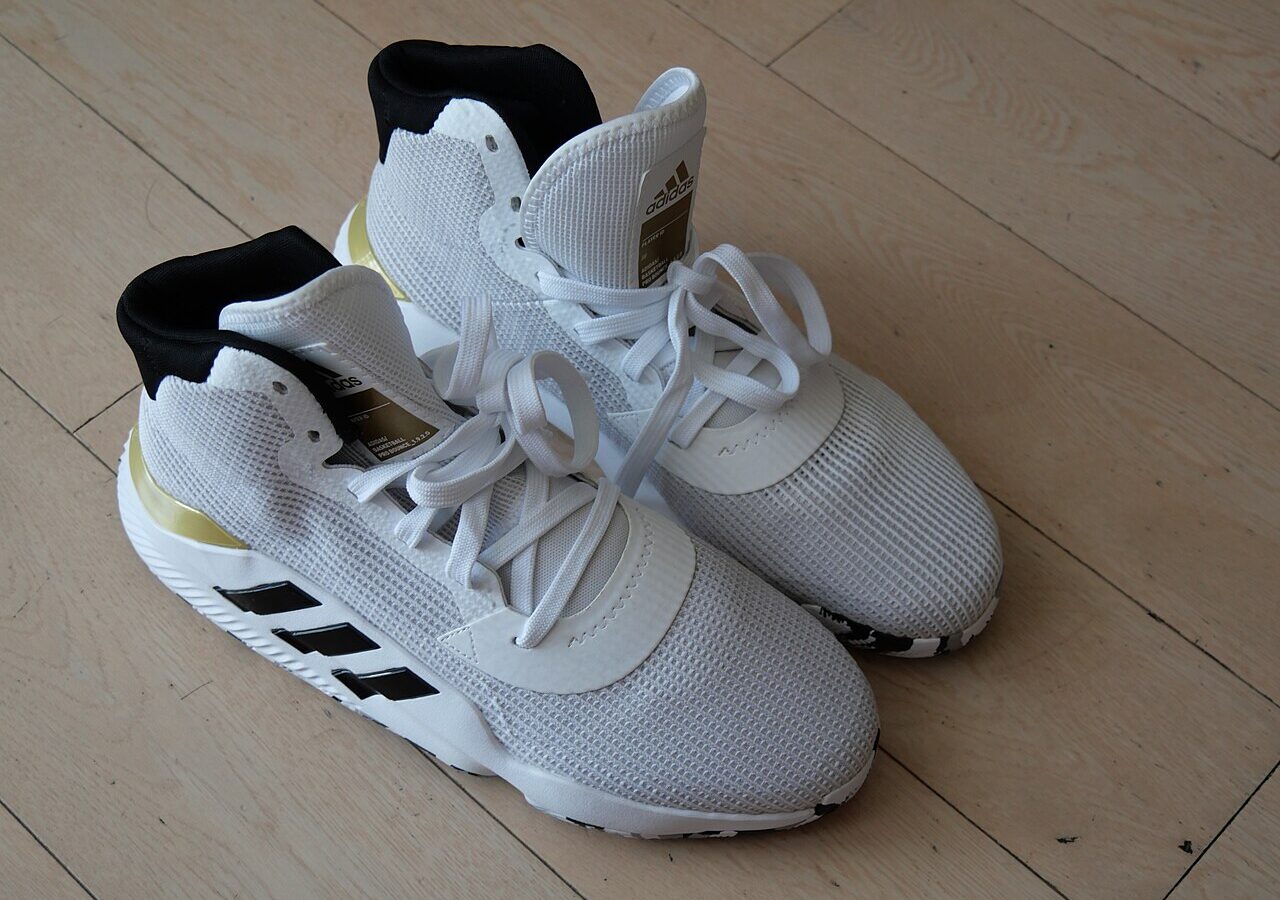
- adidas: Generally true to size; Ultraboost fits snug, while Samba and Gazelle can feel slightly narrow.
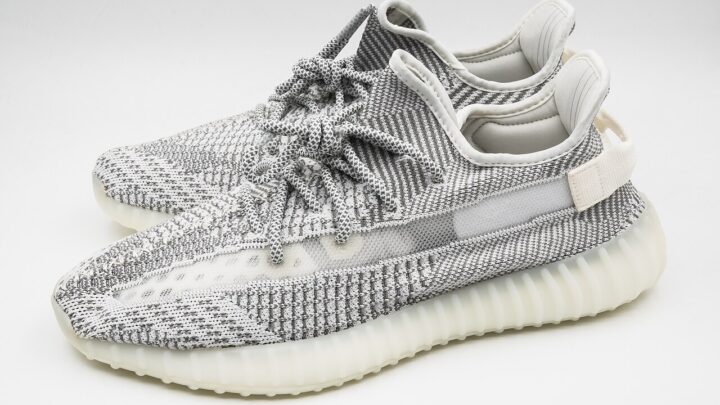
- Yeezy: Varies by model — the 350 V2 tends to run small, so sizing up a half is common.
- New Balance: True to size with the widest width range available.
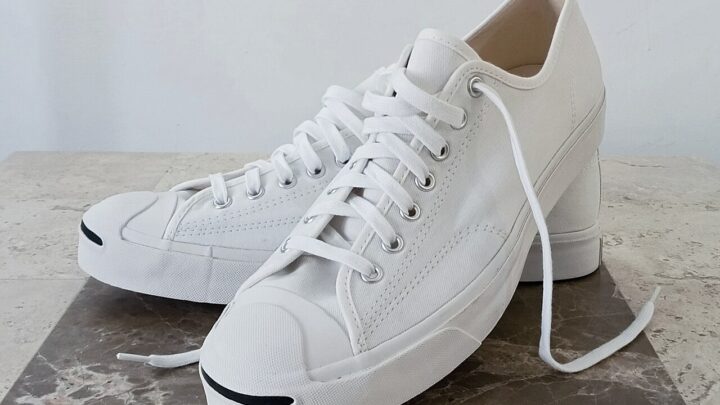
- Converse: Chuck Taylors run large; size down a half.
- Vans: Typically true to size in classic silhouettes.
Half Sizes and In-Between Feet
If your measurement lands between two sizes, your choice depends on the shoe and your preference:
- Snug performance fit (running, basketball): Lean to the smaller size to reduce slippage.
- Casual or lifestyle wear: Lean to the larger size for comfort, especially with thicker socks.
- Wide feet in a standard-width model: Go up a half size to gain width room.
- No half size offered: Size up rather than down and use an insole or lace lock to secure the fit.
Men’s, Women’s, and GS Sizing
Many popular sneakers release in men’s, women’s, and GS (grade-school / big kids) size runs. To convert a men’s size to women’s, add roughly 1.5 (a men’s 8 is about a women’s 9.5). GS sizes often cost less and can fit smaller feet: a GS often equals the same numeric US size in a slightly narrower last, so a men’s 7 is close to a GS 7Y — a useful money-saver if your feet are on the smaller side. Browse fit-friendly picks in our sneakers section or shop by size in the JerseyFrost shop.
Frequently Asked Questions
Do Nike sneakers run small?
Many do, by about a half size — particularly narrow models like the Air Force 1, Dunk, and Air Jordan 1. If you’re between sizes or have wider feet, going up a half size is the safest choice.
What’s the most accurate way to find my size?
Measure your foot length in centimeters and match it to the brand’s CM chart rather than trusting the number on old shoes. CM is the actual foot length, so it converts reliably across US, UK, and EU systems.
Should I size up for wide feet?
If a model isn’t offered in a wide (2E) width, sizing up a half often adds enough room. For consistent wide fits, choose brands like New Balance that stock D, 2E, and 4E widths.
How much toe room should a sneaker have?
Aim for roughly a thumb’s width (about 1 cm) between your longest toe and the end of the shoe. Enough room to wiggle your toes, with a secure heel and no slippage, indicates a good fit.
Are US and UK sneaker sizes the same?
No. UK sizes are usually about a half size lower than US men’s sizes, and EU sizing follows a different increment entirely. Always convert using a chart rather than assuming the numbers match.
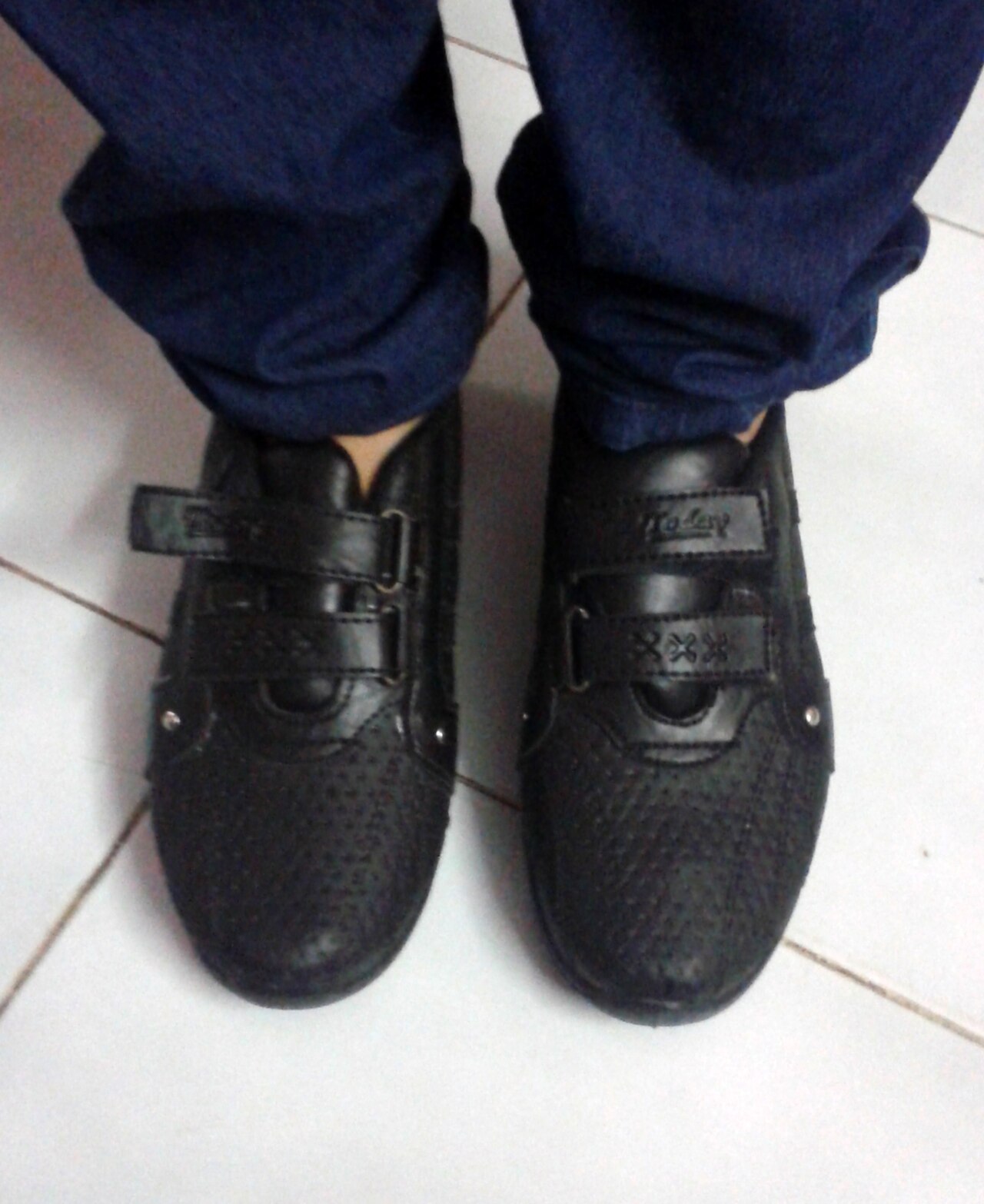
Featured image — Peachyeung316 / CC BY-SA 4.0, via Wikimedia Commons

Similar Posts