Sneaker Width Sizing Explained: B, D, 2E and 4E
Sneaker width is described by letter codes that run from narrow to extra-wide. For men, the common scale is B (narrow), D (standard), 2E (wide), and 4E (extra-wide); for women the same letters shift, so B is standard and D is already wide. To find your width, measure the widest part of your foot — ideally with a Brannock device — and compare it to the brand’s width chart, since sizing varies between makers.
Most people obsess over shoe length and completely ignore width, then wonder why their sneakers pinch, blister, or slide around. Width is half of a proper fit, and getting it right is the difference between all-day comfort and sore feet. The tricky part is that the letter system is not intuitive and it means different things for men’s and women’s shoes. This guide breaks down exactly what those letters mean, how to measure your own feet, and which brands to look at if you need something outside the standard.
What Sneaker Width Actually Means
Width refers to the measurement across the ball of your foot — the widest point, just behind your toes. Two people can wear the same length (say, a US 10) but need completely different widths depending on the volume and shape of their feet. A shoe that is too narrow squeezes the sides and causes bunions, numbness, and blisters, while one that is too wide lets the foot slide, creating friction and instability. Because the outsole and upper are both cut to a specific width, you cannot reliably fix a width problem by simply sizing up or down in length.
Understanding the Width Letters (B, D, 2E, 4E)
US widths use a letter scale. Confusingly, a single letter is added or doubled up as feet get wider, so 2E (also written EE) is wider than E, and 4E (EEEE) is the common extra-wide. Each step up typically adds about 3/16 inch across the ball of the foot. Here is the full ladder from narrowest to widest.
| Width name | Letter code(s) | Relative width |
|---|---|---|
| Extra narrow | AAA / 3A | Narrowest |
| Narrow | AA / 2A, A, B | Below standard |
| Standard (medium) | C, D | Most stock shoes |
| Wide | E, EE / 2E | Above standard |
| Extra wide | EEE / 3E, EEEE / 4E | Widest common |
| Extra extra wide | EEEEE / 5E, 6E | Specialty only |
When a brand lists no width letter at all, the shoe is almost always built to the standard medium width for that gender.
Men’s vs. Women’s Width Standards Differ
This is where most confusion happens: the same letter means a different actual width depending on whether the shoe is cut for men or women. A women’s D is a wide, but a men’s D is the standard. If you switch between men’s and women’s sizing, you have to translate width as well as length.
| Fit | Men’s letter | Women’s letter |
|---|---|---|
| Narrow | B | AA / 2A |
| Standard (medium) | D | B |
| Wide | 2E | D |
| Extra wide | 4E | 2E |
How to Measure Your Foot Width at Home
You do not need a store to find your width. Measure late in the day, when feet are at their largest, and wear the socks you will use with the shoes.
- Trace your foot. Stand on a sheet of paper with your weight evenly distributed and trace around your foot, keeping the pen vertical.
- Measure the width. Draw a line across the widest part of the tracing (the ball of the foot) and measure it in inches or millimeters.
- Measure the length too. Measure heel to longest toe so you can pair length and width correctly.
- Compare to a size chart. Match both numbers to the specific brand’s width chart, because a D in one brand can fit like an E in another.
- Check both feet. Feet are rarely identical — always fit to the larger one.
The most accurate tool is a Brannock device, the metal measuring plate found in shoe stores. Its sliding bar reads your width letter directly and also captures your arch (heel-to-ball) length, which matters as much as overall length for a dialed-in fit.
Brands With the Best Wide and Narrow Options
If you fall outside the standard, brand choice matters enormously. Some makers offer a full width range across most models, while others only cut a single medium.
- New Balance — the benchmark for width options, routinely offering 2A (narrow), B, D, 2E, and 4E across running and lifestyle lines. If width is your problem, start here.
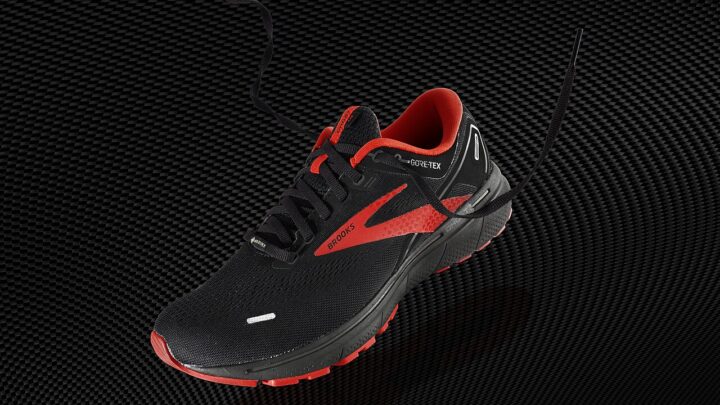
- Brooks — a running specialist with narrow, standard, wide, and extra-wide on many core models like the Ghost and Adrenaline.
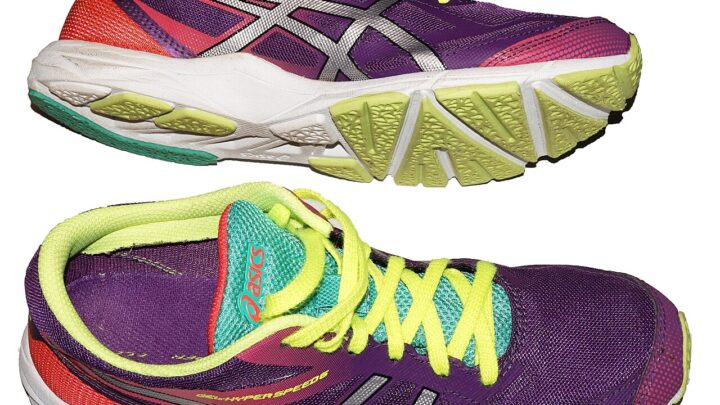
- Saucony and ASICS — both provide wide (2E) and sometimes extra-wide options on popular running shoes.
- Nike and Adidas — primarily standard-width, though knit uppers such as Flyknit and Primeknit stretch to accommodate a slightly wider foot, and select models list wide versions.
Knit and stretch-mesh sneakers are naturally more forgiving of width than stiff leather, which is worth remembering if your favorite brand only makes a medium.
Signs Your Sneakers Are the Wrong Width
Your feet will tell you when the width is off. Watch for these clues.
- Too narrow: pressure or pain along the sides, numbness or tingling, the upper bulging over the sole, and red marks on the little toe or big-toe joint.
- Too wide: heel slipping on each step, having to over-tighten the laces to lock the foot down, wrinkling or creasing across the toe box, and blisters from the foot sliding.
- Just right: your foot sits flat on the footbed with no spillover, you can wiggle your toes, and the shoe feels secure without any single pressure point.
Width vs. Length: Getting Both Right
Length and width work together, and adjusting one to compensate for the other rarely works. Sizing up in length to gain width leaves your heel swimming and your toes too far forward, which causes its own blisters. If a standard-width shoe feels tight across the ball but fine in length, the correct move is a wider version in the same length, not a longer size. Conversely, do not size down to tighten a wide-feeling shoe — look for a narrow width instead. When in doubt, prioritize a proper width and fine-tune the hold with lacing technique and the right socks. For more fit guides and model recommendations, browse our sneaker guides or check current picks in the shop.
Frequently Asked Questions
What is the difference between D and 2E width?
In men’s sizing, D is the standard medium width and 2E (also written EE) is a wide, roughly a quarter-inch broader across the ball of the foot. If a standard D pinches the sides but fits in length, a 2E in the same length is usually the answer.
Is a wide shoe the same for men and women?
No. The letters shift by gender: a men’s wide is 2E, while a women’s wide is D. Because a women’s D equals a wide but a men’s D is standard, always confirm which gender’s chart a shoe uses before ordering by letter alone.
How do I know if I need a wide sneaker?
Measure the ball of your foot and compare it to the brand’s chart, and watch for symptoms: pressure along the sides, the upper bulging over the sole, or red marks on your outer toes all point to needing a wider width. Measuring on a Brannock device removes the guesswork.
Which brands make the widest sneakers?
New Balance offers the broadest range, including 2E and 4E extra-wide across many models, and Brooks, Saucony, and ASICS all provide wide running options. Nike and Adidas are mostly standard, though their knit uppers stretch to fit a slightly wider foot.
Can I wear a wider shoe if I have a standard-width foot?
You can, but it is not ideal — a too-wide shoe lets the foot slide, causing heel slip and friction blisters, and forces you to over-tighten the laces. For the best security and comfort, choose the width that matches your actual measurement rather than sizing wide for extra room.
Featured image — Jjanhone / CC BY-SA 4.0, via Wikimedia Commons

Similar Posts