How to Store Sneakers: The Complete Collector’s Guide
Store sneakers clean and fully dry in a cool, dark place at moderate humidity, ideally around 18 to 20 degrees Celsius and 40 to 50 percent relative humidity. Support the shape with shoe trees or acid-free tissue, drop a silica-gel pack inside each shoe to fight moisture, and keep them out of direct sunlight to prevent yellowing and glue breakdown. For long-term storage, clear drop-front boxes protect against dust and UV while letting you see each pair.
Good storage is the difference between a collection that stays crisp for years and one that yellows, creases, and crumbles in a closet. Sneakers are built from leather, foam, textiles, and glue, and each of those reacts badly to heat, damp, and light. This guide covers how to prep pairs before they go away, what environment keeps them fresh, and which storage system fits everyday rotation versus long-term “deadstock” preservation.
Clean and Prep Before You Store
Whatever goes into the box is what comes out months later, only worse. Dirt, sweat, and moisture keep working on materials in the dark, so preparation matters more than the container.
- Clean each pair fully. Brush off dirt, spot-clean the upper, and wipe the midsole. Trapped sweat and body oil will stain leather and feed mildew over time.
- Dry them completely. Let shoes air-dry for at least 24 hours away from heat. Sealing away even slightly damp shoes invites mold and odor.
- Support the shape. Insert shoe trees, or stuff the toe box with acid-free tissue to hold the silhouette and absorb residual moisture.
- Loosen and lace lightly. Relax tight laces so the leather is not held under tension for months, which can set permanent marks.
The Ideal Storage Environment
Three enemies degrade stored sneakers: heat, humidity, and ultraviolet light. Controlling them is more important than any particular box.
Humidity and temperature
Aim for roughly 40 to 50 percent relative humidity. Too damp and you invite mold and hydrolysis, the slow reaction where moisture breaks down polyurethane midsoles and adhesives until soles crumble. Too dry and leather can stiffen and crack. Keep the space cool and stable; attics, garages, and radiators swing through temperature extremes that accelerate glue failure.
Light and air
UV light is what yellows white rubber and fades dyed panels, so store pairs in the dark or in opaque or UV-resistant boxes. At the same time, materials need to breathe. A sealed plastic tub with no airflow traps off-gassing and moisture, so most collectors favor boxes with a small vent or an open shelf in a controlled room.
How to Store Sneakers, Step by Step
- Choose the right container for how often you will wear the pair, using the comparison below.
- Add a desiccant. Place a fresh silica-gel pack in each shoe to hold humidity down inside the box.
- Wrap where needed. For premium or hyped pairs, lay a sheet of acid-free tissue between the shoes to prevent color transfer and scuffing.
- Label the box. If you use opaque boxes, photograph the pair and tape the picture to the end so you are not opening every lid to find one model.
- Stack smart. Keep heavier boxes at the bottom and avoid crushing lightweight knit or mesh models under a stack.
- Check periodically. Every few months, open long-term pairs to swap silica gel and confirm no odor or damp has crept in.
Storage Options Compared
| Storage type | Best for | Pros | Watch out for |
|---|---|---|---|
| Original shoe box | Long-term deadstock, resale | Free, preserves resale value, blocks light | Cardboard absorbs humidity; needs a dry room |
| Clear drop-front box | Active collections | Stackable, dust-proof, easy access and display | Cost; verify it is UV-resistant |
| Open shelving | Everyday rotation | Great airflow, grab-and-go | Exposed to dust and room light |
| Vacuum or sealed bag | Not recommended long term | Compact | No airflow; traps moisture and speeds hydrolysis |
Long-Term Storage Versus Everyday Rotation
Rotating the pairs you wear
Wearing the same shoes daily never lets the midsole foam decompress or the lining dry out. Rotating between at least two or three pairs extends the life of each, reduces odor, and gives sweat time to evaporate fully between wears. Keep everyday pairs on open shelving or in drop-front boxes for quick access.
Preserving deadstock and grails
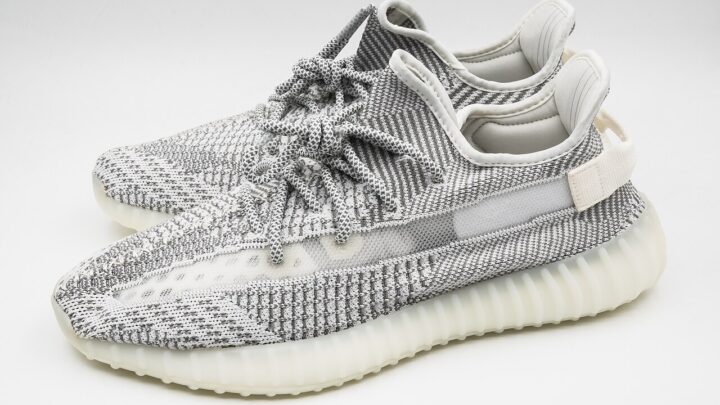
For pairs you rarely wear, such as limited Jordan or Adidas Yeezy releases, prioritize stability over convenience. Original boxes protect resale value, but the box only helps in a climate-controlled room. Add silica gel, keep them off concrete floors that wick damp, and avoid the classic mistake of storing prized pairs in a hot attic where glue and PU foam quietly fail.
Materials and Accessories Worth Using
- Shoe trees: cedar versions hold shape, absorb moisture, and neutralize odor; plastic works for lighter models.
- Silica gel packs: the simplest humidity control; recharge them in a low oven or replace when saturated.
- Acid-free tissue: prevents color transfer and yellowing where two surfaces touch, unlike newspaper, which can bleed ink.
- Cedar blocks: a natural moisture and odor buffer for closets and open shelving.
- Microfiber dust covers: breathable protection for pairs on open display.
Mistakes to Avoid
- Storing shoes dirty or damp, which locks in stains, odor, and mold.
- Using sealed airtight bags, which trap moisture and accelerate sole breakdown.
- Leaving pairs in sunlight, a windowsill display included, which yellows and fades them.
- Garage or attic storage, where temperature and humidity swings destroy glue and foam.
- Forgetting old pairs entirely, since hydrolysis can crumble a midsole in a box even when the shoe was never worn.
For cleaners, boxes, and shoe trees we recommend, visit the shop or explore more upkeep guides in our sneaker care hub.
Frequently Asked Questions
Should I keep sneakers in their original boxes?
Original boxes are excellent for long-term storage and preserve resale value, but only in a cool, dry room. Cardboard absorbs ambient humidity, so pair the box with a silica-gel pack and keep it off damp floors to prevent mold and glue breakdown.
Do sneakers really go bad in storage?
Yes. Even unworn shoes degrade through hydrolysis, where moisture slowly breaks down polyurethane foam and adhesives until midsoles crack or crumble. Cool, dry, stable conditions dramatically slow this, which is why environment matters more than the container.
How do I stop stored sneakers from smelling?
Store them fully dry, add cedar shoe trees or a deodorizing insert, and include silica gel to control moisture. Odor is bacteria feeding on trapped sweat, so eliminating dampness before the shoes go away solves most of the problem.
Is it better to store sneakers in a cold room?
Cool and stable beats cold and fluctuating. Around 18 to 20 degrees Celsius is ideal. Avoid freezing garages and hot attics alike, because it is the repeated swing between extremes, not a single temperature, that stresses glue and materials most.
How often should I check stored sneakers?
Inspect long-term pairs every two to three months. Swap or recharge silica gel, look for any sign of damp or yellowing, and flex the shoe gently so materials do not set stiff. A quick check catches problems while they are still reversible.
Featured image — WeLitty999 / CC BY-SA 4.0, via Wikimedia Commons

Similar Posts